Style
- geometric and angular shapes
- chrome, glass, shiny fabrics, mirrors and mirror tiles
- stylised images of aeroplanes, cars, cruise liners, skyscrapers
- nature motifs - shells, sunrises, flowers
- theatrical contrasts - highly polished wood and glossy black lacquer mixed with satin and furs
Influences
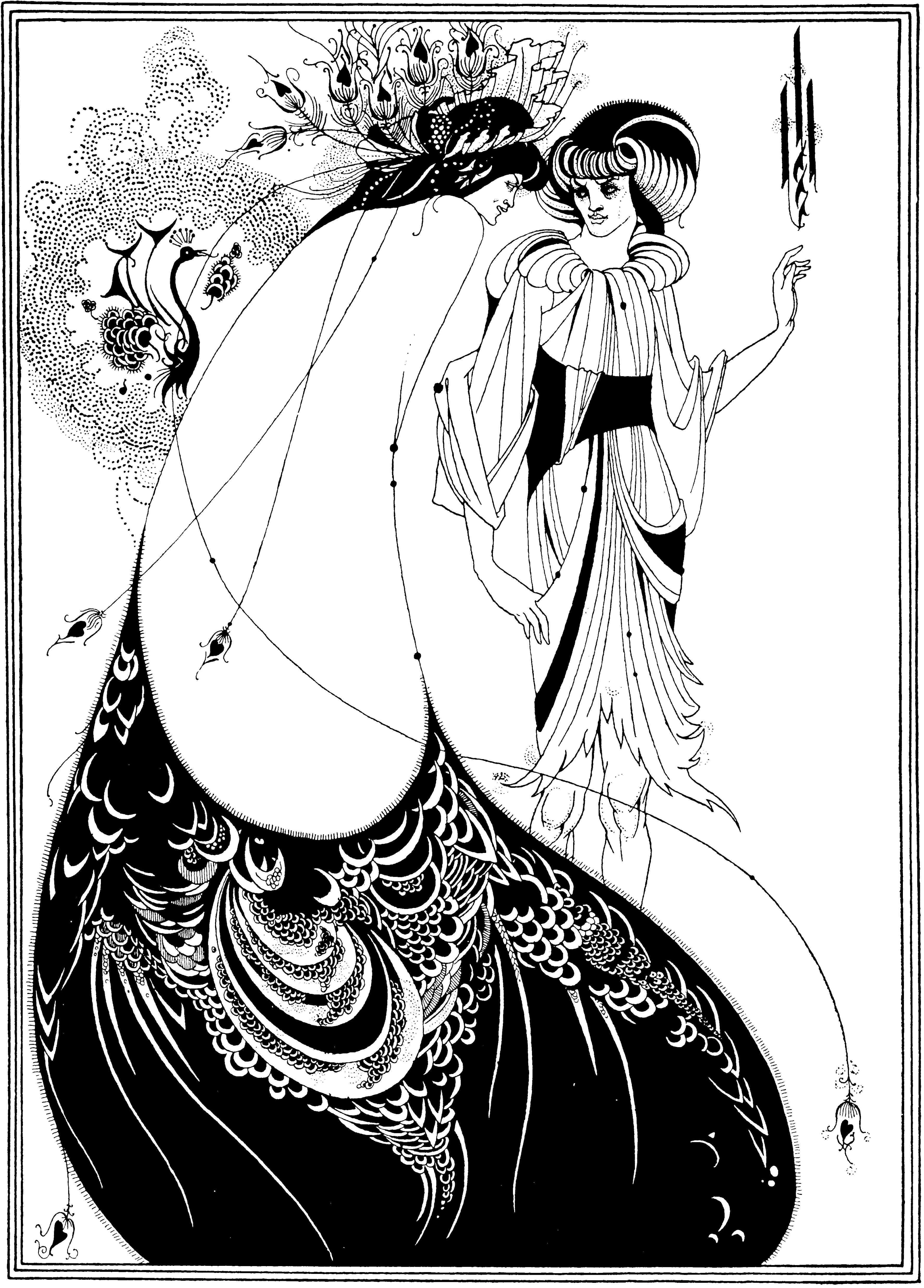
- art nouveau - deco kept the nature motifs of its predecessor but discarded its flowing organic shapes and pastels for bolder materials and colours such as chrome and black
- cubism -painters such as Picasso were experimenting with space, angles and geometry
- early Hollywood - the glamorous world of the silver screen filtered through to design using shiny fabrics, subdued lighting, and mirrors. Cocktail cabinets and smoking paraphernalia became highly fashionable
The names
- Eileen Gray - furniture
- Raymond Templier - jewellery
- Clarice Cliff - china
- René Lalique - glass and jewellery
At the time
- 1912 RMS Titanic sails
- 1922 Tutankhamun's tomb is discovered
- 1922 Ulysses by James Joyce is published
- 1931 Empire State Building is completed
- Film stars - Greta Garbo, Marlene Dietrich, Ginger Rogers and Fred Astaire
- The charleston and tango are the latest dance crazes, jazz is born and the singer Josephine Baker thrills Paris

Get the look
- Furniture - choose strong, streamlined shapes for furniture and in single pieces rather than suites.
- Fabrics - stick to plain or geometric fabrics and add highlights with cushions also in one solid block of colour.
- Floors - plain polished parquet is perfect for floors. Linoleum in abstract designs or black and white chequerboard vinyl tiles are also typical.
- Rugs - floors would have been overlaid with a large rug in geometric patterns. These were often handmade by artists such as Duncan Grant (of Bloomsbury Group fame).
- Fireplaces - fireplaces should be rectangular and bold. Surrounds were often tiled in pink, green or beige. They were made of concrete and not many survive today.
- Colour - halls suit bold colour schemes such as silver, black, chrome, yellow and red. Creams, greens and beige, or oyster and eau-de-nil suit living rooms and bedrooms.
- Cupboards - cabinets, wardrobes, etc should be in pale veneered wood and simple shapes in keeping with the light, airy feel.
- Design - the stepped profile is the epitome of the art deco shape, found everywhere from uplighters to picture surrounds. Also look for zigzags, chevrons and lightning bolts.
- Lighting - lights featuring female figures holding the ball of the lamp are typical and good reproductions abound. Also look for chrome, a brand new material at the time, and glass. Glass would have been etched, sandblasted or enamelled rather than coloured.
What to invest in
- ceramics by Susie Cooper and Clarice Cliff
- original art deco rugs
- original posters featuring Bugatti cars etc
Where to see it
- Hoover factory, Middlesex
- The Savoy, London
- Burgh Island Hotel, Bigbury-on-Sea, Devon
- Eltham Palace, London
- Miami Beach, Florida
Further reading
- Art Deco Interiors: Decoration and Design Classics of the 1920s and 1930s by Patricia Bayer (Thames & Hudson)
- Art Deco: Flights of Fancy by Susan A Sternau (Tiger Books International)
- The Antiques Checklist: Art Deco by Eric Knowles (Mitchell Beazley)